
Key takeaways
- A part can be recorded as available and still leave production waiting when the plant cannot confirm where it was put away.
- Searching for missing material pulls handlers off planned routes, delays deliveries to other lines and increases the cost of a single inventory problem.
- Directed put-away and scan-verified replenishment keep material visible so it can reach the line when production needs it.
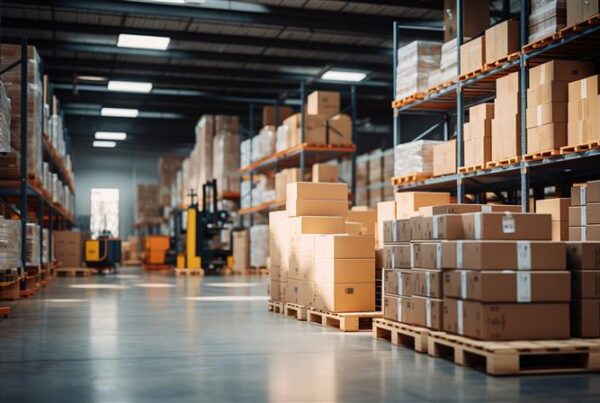
On an automotive plant floor, a part can be in stock and unavailable at the same time. The inventory system shows that it was received, but when the line calls for it, no one can say exactly where it is. Even if the part is sitting in overflow only a few aisles away, production is still left waiting.
That is what makes overflow more than a storage problem. The plant owns the material and has it somewhere in the building, yet the connection between receiving, put-away and line replenishment has broken down. By the time someone realizes the part is missing from the line, the issue has already moved beyond the warehouse.
When a material handler is pulled away from a planned route to look for the missing part, other deliveries begin falling behind even though the system continues to show that the necessary inventory is available. What appears to be a single misplaced part can quickly affect labor, production schedules and confidence in the inventory system.
Overflow begins with an unfinished put-away process
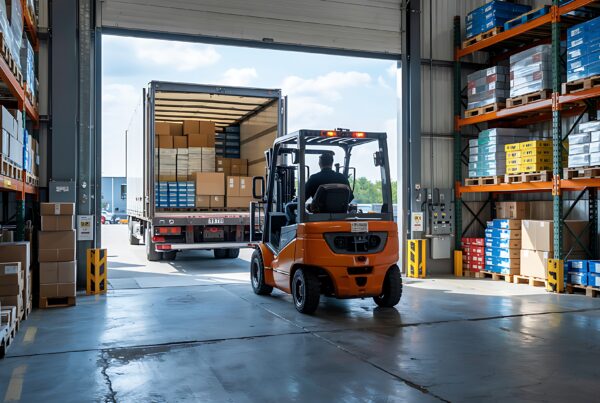
Overflow rarely begins with one dramatic failure. More often, receiving simply gets more material than the team can put away at that moment because a material handler is absent, multiple trucks arrive close together or another production issue takes priority.
Even when the receiving team is overwhelmed, material still has to come off the dock, so it gets placed wherever space is available. That temporary location may make sense during a busy shift, but it becomes a problem when the inventory record does not show where the pallet actually went.
The inventory system may confirm that the part was received without capturing a reliable location, leaving the next shift, a new employee or the supervisor responding to a shortage with little useful direction. What one employee remembers about where a pallet was placed never becomes part of the shared record, and “in stock” gradually starts to mean “somewhere in the building.”
Cella helps prevent that kind of disconnect through directed put-away. When material is received, a handler scans it and the system identifies where it should go with each movement verified, so the physical location remains connected to the inventory record even when the pace of receiving changes.
Material is received
A handler scans it.
The system identifies where it should go
The location is assigned.
Each movement is verified
The location is confirmed.
The real cost is finding and handling the same material again
Overflow takes up space, but the larger cost comes from the work it creates later. Material that should have been put away once may be moved several times as teams make room, conduct cycle counts or search for another part.
When no one can find the material, the plant may reorder it or pay to expedite a replacement while supervisors spend additional time reconciling inventory variances. Faster-moving parts can also get pushed farther from the line as overflow consumes more of the available space.
None of this work adds value, yet it becomes part of the day because the original put-away process was never completed. The consequences become more serious when the line needs the part and a material handler has to leave a scheduled route to begin searching.
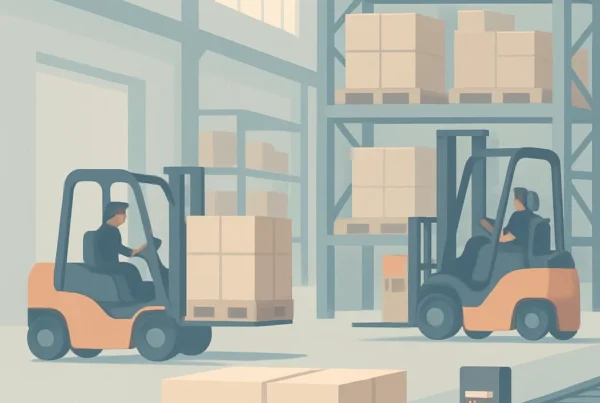
Although the system confirms that the material is available, it cannot provide a location the team trusts. Ten or twenty minutes can pass while the part is found, staged and delivered, and during that search the handler is no longer feeding other lines.
A shortage that began with one misplaced pallet can spread as other line-side locations begin to run low. The plant may then need overtime to recover the schedule or premium freight to protect a shipping window that is now at risk.
Inventory accuracy is also a question of trust
The immediate cost of poor material visibility can be measured in labor and downtime, but the longer-term cost appears when supervisors stop believing the inventory system.
Once that trust is gone, teams begin protecting themselves with extra stock, informal buffers and personal notes about where material has been placed. They may also rely more heavily on experienced employees who know the plant well enough to work around gaps in the process.
Those workarounds may keep production moving for a while, but they also consume space and make lean replenishment harder to maintain. Over time, practices that were meant to be temporary become part of the plant’s normal operating model, and employees learn how to work around the problem instead of expecting the process to work.
Cella gives supervisors a live view of line requests and assigns work according to production priority, allowing material handlers to see what needs to move next without waiting for a radio call or relying on someone else’s memory. When every request is visible, the plant has a better chance of containing a shortage before it affects other lines.
Overflow often becomes the problem no one owns
Most plants already know overflow is an issue, but it often functions like the warehouse version of a junk drawer that everyone recognizes and no one wants to empty. Cleaning it up can feel too disruptive to take on during a normal shift, especially when the operation is already working around production demands.
Because overflow touches several functions, ownership can also be difficult to establish. Receiving contributes to the backlog, material handling works around it and production feels the consequences, which makes the problem harder to assign to one team or improvement project.
Continuous-improvement teams may choose smaller projects that are easier to define and measure while overflow remains unresolved. The same lack of visibility also affects staffing because a plant that cannot see how long put-away, picking and replenishment take has to estimate how much labor the work requires.
As a result, the operation may run short-handed during peaks or carry more labor than it needs during slower periods. The plant pays for that uncertainty in either direction.
Turnover adds another challenge when the process depends on tribal knowledge. Every experienced employee who leaves takes part of the plant’s working map with them, while new hires spend weeks learning the shortcuts and unwritten rules that keep material moving.
Cella turns that work into usable operational data, so plants can see how long tasks take, where delays occur and how demand changes throughout a shift. Guided workflows give employees clear direction and reduce the amount of plant-specific knowledge someone needs before contributing productively.
If a backlog does build, Cella can turn clearing overflow into assigned work by directing a handler to scan the material and move it to the correct location. The employee does not need to know what the part is, which business rule applies or where someone usually puts it because that logic is already built into the process.
Automotive suppliers have little room for material mistakes
The pressure is especially high for suppliers supporting just-in-time or sequenced automotive production because the OEM sets the cadence and expects the supplier to keep up. When a build sequence, shipping window or production schedule changes, the supplier’s warehouse has to respond quickly enough to keep material moving.
A plant that relies on paper, spreadsheets and radio calls has limited ways to absorb those changes. Its response may involve adding labor, increasing safety stock or asking experienced employees to manage even more complexity, all of which place additional pressure on margins without fixing the underlying visibility problem.
The risk also extends beyond the current shipment because an OEM is likely to remember a supplier failure that affects production. Repeated delivery problems can weaken the relationship and make it harder for the supplier to compete for future business.
Rule-driven replenishment gives the plant another way to respond by allowing routes, priorities and pull signals to adjust as demand changes. The operation can flex with the production schedule without rebuilding the process around another spreadsheet or adding people every time conditions shift.
Good material flow should be boring
Materials management is not supposed to be exciting. When it works, there is very little for anyone to notice. Material arrives, gets put away correctly and reaches the line when it is needed, with less time spent hunting for parts, calling the warehouse or reconciling what the system says with what is actually on the floor.
Overflow may still be necessary when inbound volume spikes or production priorities change. The difference is that the material remains visible and manageable instead of disappearing into a black hole for accurate inventory. The goal is not simply to organize the warehouse, but to give the plant confidence that when the system says a part is available, that part can actually reach production when it is needed.
If these challenges sound familiar, talk with our team about how Cella can improve your line-replenishment operations.